
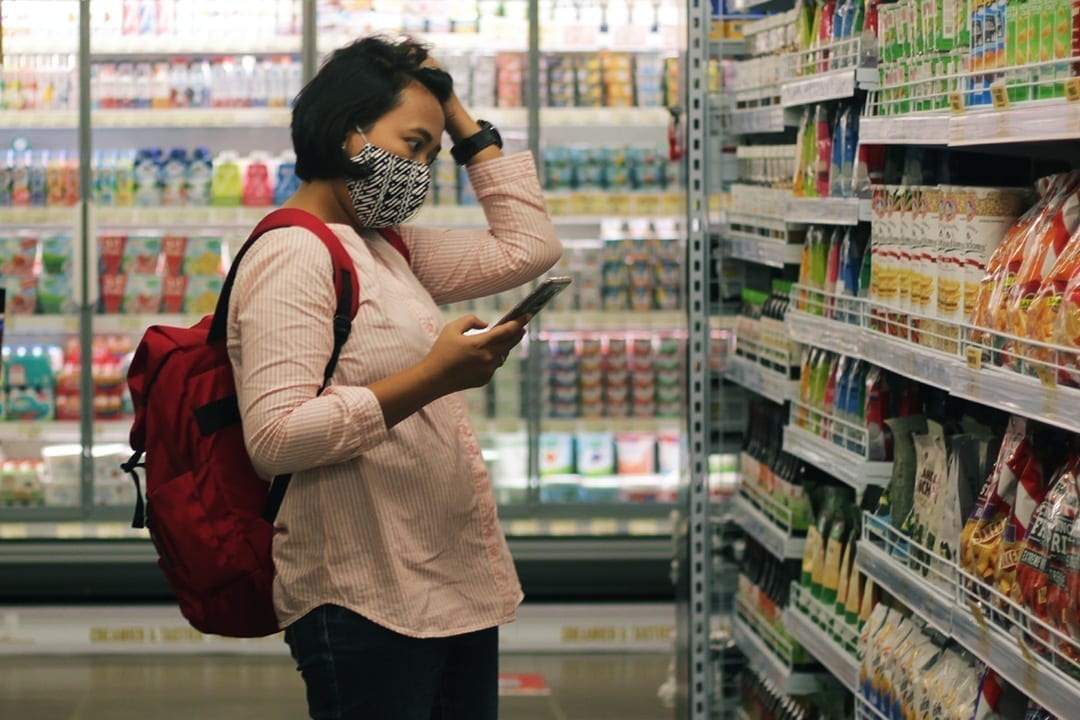
Consumer purchasing behaviors continue to evolve and retailers must be poised to pivot and meet the needs of their clientele. What’s trending now? Purchasing patterns show a need for convenience, an uptick in impulse buying, an increased appetite for comfort food, and a desire for safety.
Purchasing Behaviors to Look Out for in 2021
Here’s what c-store and supermarket owners should know about these purchasing behaviors and what adjustments they can make to accommodate shoppers’ wants and needs.
Coveted Convenience
In order to feel safe when buying food and other necessities, consumers need convenience. They don’t want to spend a lot of time inside stores—that is, if they enter at all—and are seeking alternative ways to acquire their meals and groceries.
Impulse Buying
Though a lot of shoppers want to get in and get out as quickly as possible, heightened anxiety might also make them more prone to impulse buying. A study published in the Journal of Consumer Psychology found that making purchases can actually alleviate feelings of sadness. In today’s world, a majority of “retail therapy” occurs online, but stressed consumers also make impulse purchases in person, often at grocery stores and c-stores.
An Appetite for Comfort Food
It’s called “comfort food” for a reason. Many eateries closed in 2020, and a call for social distancing led more people to cook meals at home. However, widespread feelings of uncertainty may have increased people’s appetites for warm, tasty, prepared food.
A Desire for Safety
The word most often used to describe the coronavirus pandemic is “uncertainty.” For many, the future of work, school, and housing are ambiguous. Many people have lingering anxiety and depression regarding social gathering restrictions and, of course, the fear of contracting the virus.
All this uneasiness has contributed to a few notable changes in consumer behaviors over the past year. After all, what we buy, save, eat, and stash away is closely related to our current emotional state and feelings about the future.
Writing for Psychology Today, Utpal Dholakia Ph.D. explains, “When we are anxious, we naturally seek comfort and control over the situation.” The coronavirus has not only spiked stress levels but also presented consumers with very real health dangers. Understandably, this combination has led to an increased desire for safety at all times, including when shopping for essentials.
Address Consumer Needs With Your Retail Store’s Layout Design
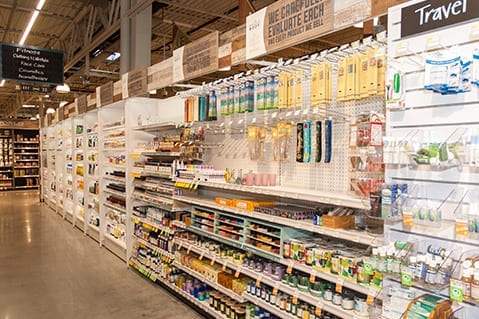
So, what can store owners do to make shoppers feel safer and more comfortable while taking into account their increased yearnings for convenience and comfort food? Aside from enhanced food offerings, it comes down to providing consumers with more ways to shop and adjusting store layouts to optimize these features.
More Ways to Shop
Modern retail space planning should allow for multiple ways to buy food. This includes traditional shopping and buying goods inside a store, as well as curbside pickup and delivery options.
Efficient In-Store Experiences
Offering consumers more ways to shop addresses the desire for both safety and convenience. Store owners can take this a step further by creating a more efficient in-store experience.
This might involve optimizing traffic flow, implementing easy-access areas with essentials, and honing in on self-checkout options. The right retail decor and signage can guide these features and help shoppers feel more comfortable in the store.
C-Stores and Grocery Stores Turn to KRS for Innovative Solutions
At KRS, we’re seasoned in planning and implementing innovative solutions for supermarkets and convenience stores. Not only that, but we have substantial experience blurring the lines between the two while incorporating other aspects, like drive-thrus, outdoor eating areas, and ready-to-bake food sections. Our team knows the ins and outs of retail decor too. From design to fabrication and installation, we do it all.
Get in touch with us at KRS to find out how we can optimize your supermarket or c-store design.